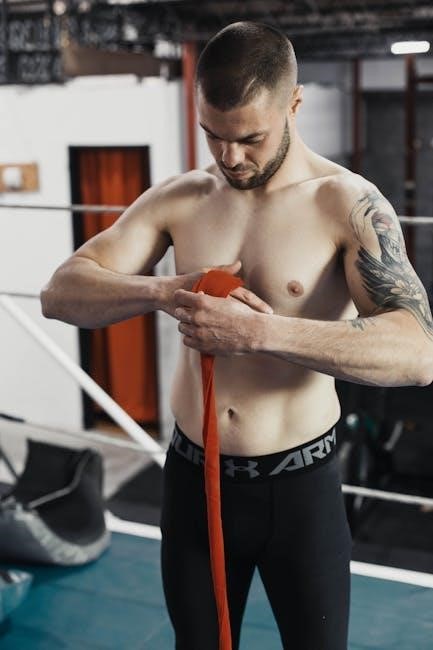
Aristotle Athletic Tape Instructions: A Comprehensive Guide
Aristotle athletic tape offers solid joint support, reducing tissue pressure, and is a versatile tool for injury prevention, support, and pain relief for all athletes.
Aristotle Athletic Tape has rapidly become a trusted choice for athletes, trainers, and individuals seeking reliable support and injury prevention. This tape distinguishes itself through a commitment to quality, offering robust joint stabilization and effective pressure reduction. Designed for versatility, it’s suitable for a wide range of applications, from ankle and wrist support to finger taping and more complex needs like knee and shoulder stabilization.
Unlike some tapes, Aristotle prioritizes a balance between strong adhesion and skin comfort, minimizing residue and irritation. The tape’s flexible material delivers gentle compression, promoting healing while allowing a full range of motion. Customer satisfaction is paramount, with a dedicated support team focused on efficient and professional assistance.
Understanding the Benefits of Athletic Tape
Athletic tape, like Aristotle Tape, provides numerous benefits beyond simple injury treatment. Primarily, it offers exceptional joint support, limiting excessive movement and reducing the risk of sprains and strains. The compression delivered by the tape aids in minimizing swelling and promoting blood flow, accelerating the healing process.
Furthermore, athletic tape can enhance proprioception – your body’s awareness of its position in space – improving balance and coordination. It’s a preventative measure, bolstering vulnerable areas during intense activity. Aristotle Tape’s design focuses on gentle yet firm support, allowing athletes to maintain performance while safeguarding against injury, and minimizing sticky residue.
Types of Aristotle Athletic Tape Available
Aristotle Tape currently focuses on a high-quality athletic tape designed for versatile use, catering to a broad spectrum of athletic needs; This tape is typically constructed from a blend of cotton and elastic materials, offering both support and flexibility. It’s commonly available in a standard 1.5-inch width and 10-yard length, ideal for various taping applications.
While specific variations like pre-wrap or specialized tapes for specific body parts aren’t explicitly detailed, the core Aristotle Tape product excels in providing reliable support for ankles, wrists, fingers, and knees. Its easy-tear design and residue-free adhesive contribute to user convenience and comfort during and after use.
Preparing for Application
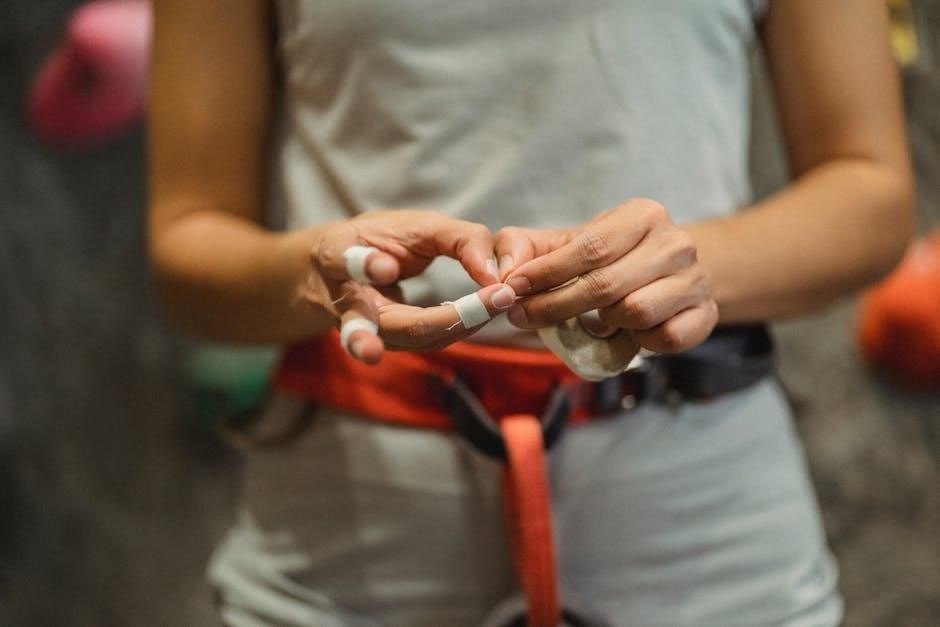
Proper preparation is key for effective taping; ensure the skin is clean, dry, and shaved where needed, and prepare the tape for easy tearing and application.
Skin Preparation: Cleaning and Shaving
Optimal athletic tape adhesion begins with meticulous skin preparation. Before application, thoroughly cleanse the area with mild soap and water to remove any oils, dirt, or lotions. These residues can significantly impede the tape’s ability to stick effectively, compromising support and potentially leading to premature peeling.
Ensure the skin is completely dry before proceeding. For areas with excessive hair, shaving is recommended. Hair interferes with the adhesive bond, reducing the tape’s effectiveness. Shave in the direction of hair growth to minimize irritation.
After shaving, wipe the area again to remove any remaining stubble. A clean, dry, and hair-free surface provides the best possible foundation for secure and lasting athletic tape application, maximizing its benefits.
Tape Preparation: Tearing and Pre-Wrapping
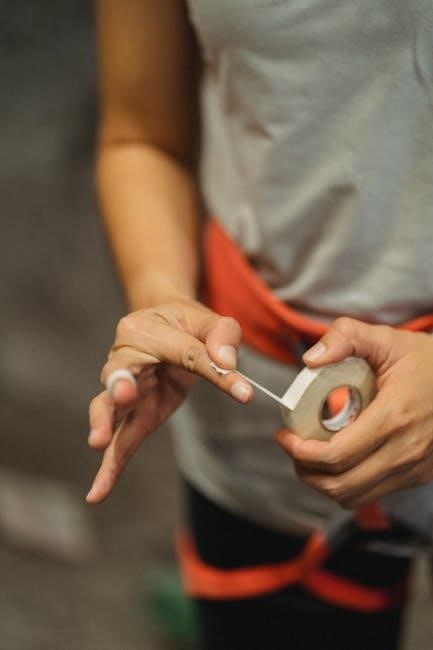
Aristotle athletic tape is designed for easy tearing, often featuring a serrated edge for clean, consistent strips. When tearing, apply firm, even pressure in a swift motion to avoid jagged edges. The appropriate length depends on the application, so estimate generously to avoid needing to add more tape mid-application.
Pre-wrapping with a thin layer of underwrap (foam padding) is crucial, especially over bony prominences or sensitive skin. This creates a comfortable base, protects the skin from direct adhesive contact, and enhances tape adhesion.
Ensure the underwrap is applied smoothly without wrinkles, providing a uniform surface for the athletic tape. Proper preparation maximizes comfort and effectiveness.
Basic Application Techniques
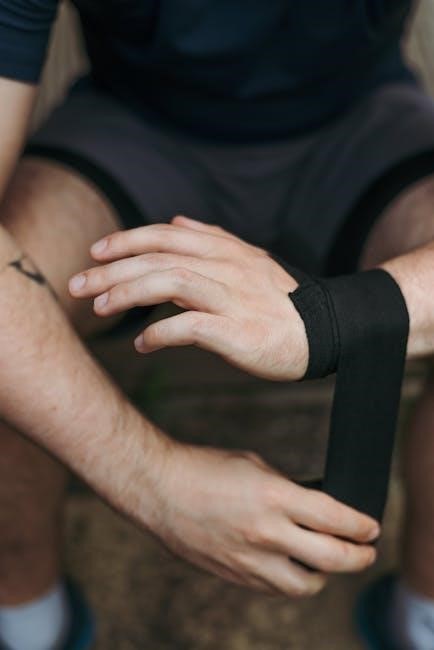
Aristotle tape excels in fundamental support applications like ankles, wrists, and fingers, providing stabilization and promoting healing through gentle compression and secure support.
Ankle Support: Preventing Sprains
Aristotle athletic tape provides crucial ankle support, significantly reducing the risk of sprains during athletic activities. Begin with a pre-wrap to protect the skin, then anchor the tape around the foot. Apply stirrups, creating a figure-eight pattern to limit inversion and eversion movements – common causes of ankle injuries.
Heel locks further stabilize the ankle, while additional strips offer medial and lateral support. Ensure consistent, but not overly tight, tension throughout the application. Proper taping restricts excessive motion while allowing a functional range of movement. Regularly assess the tape for looseness and reapply as needed to maintain optimal protection during training or competition. Remember, taping is a preventative measure and doesn’t replace proper conditioning or rehabilitation.
Wrist Support: Stabilizing Joints
Aristotle athletic tape effectively stabilizes wrist joints, offering support for minor sprains, strains, or preventative measures during activities. Start with a pre-wrap for skin protection, then anchor the tape below the wrist. Apply several overlapping strips, moving from the palm side towards the back of the hand, creating a secure base.
Additional strips can be applied in a figure-eight pattern to limit wrist flexion and extension. Maintain consistent tension, avoiding constriction that cuts off circulation. Proper taping provides compression and restricts excessive movement, aiding in pain reduction and preventing further injury; Regularly check the tape’s tightness and reapply if needed, especially during strenuous activity.
Finger Taping: Buddy Taping and Support
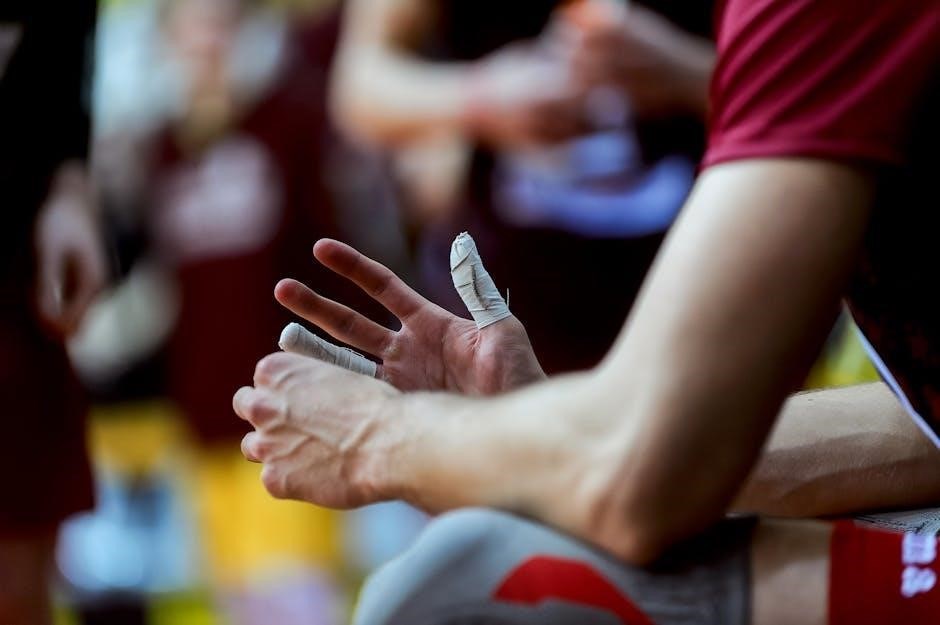
Aristotle athletic tape is ideal for buddy taping, stabilizing injured fingers alongside a healthy one for support. Begin by padding between the fingers with a soft material to prevent skin irritation. Anchor the tape around both fingers, below the injury, ensuring a comfortable but secure fit.
Apply overlapping strips, encompassing both fingers, creating a unified support structure. Avoid overly tight wrapping, which can restrict circulation. Regularly monitor for swelling or discoloration. This technique limits movement, promoting healing and reducing pain. Re-tape as needed, especially after handwashing or strenuous activity, maintaining consistent support throughout recovery.
Advanced Taping Techniques
Aristotle tape excels in complex applications like knee and shoulder support, providing patellar stabilization and rotator cuff stability for enhanced athletic performance.
Knee Support: Patellar Stabilization
Aristotle athletic tape provides excellent patellar stabilization, crucial for athletes experiencing knee pain or instability. Begin by applying a pre-wrap to protect the skin. Anchor the tape above the kneecap, then apply strips pulling downwards and inwards, creating a “J” shape to support the patella.
Ensure moderate tension, avoiding constriction of circulation. Additional strips can reinforce the support, focusing on medial and lateral aspects of the patella. This technique helps guide the kneecap’s movement, reducing pain and preventing further injury during activity. Proper application is key; consult resources or a professional for optimal results. Remember to assess comfort and adjust tension as needed.
Shoulder Support: Rotator Cuff Stability
Aristotle athletic tape can significantly enhance rotator cuff stability, aiding athletes with mild to moderate shoulder issues. Start with a skin prep and pre-wrap. Anchor the tape across the upper arm, then apply strips pulling downwards and across the shoulder, forming a “Y” shape.
These strips compress the muscles and provide support to the rotator cuff. Additional strips can be added for increased stability, focusing on the deltoid and scapular regions. Maintain moderate tension, ensuring full range of motion isn’t restricted. Proper application minimizes pain and supports shoulder function during activity. Seek professional guidance for severe injuries.
Groin Support: Muscle Strain Prevention
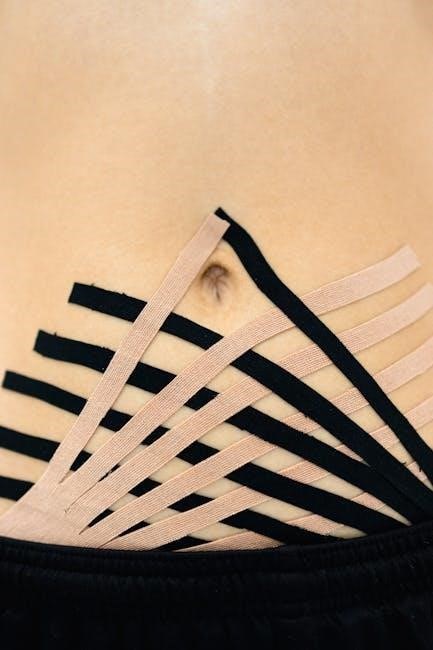
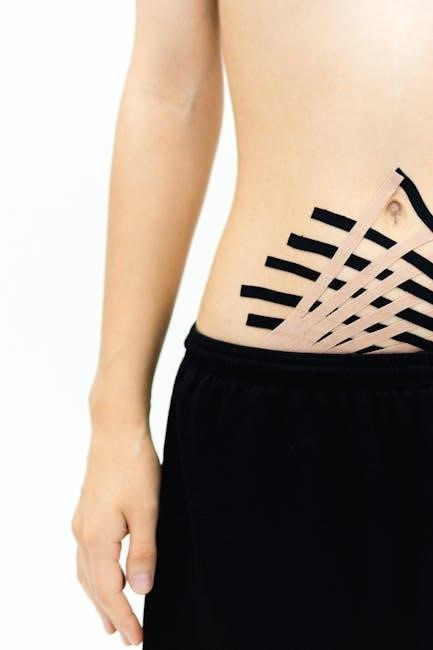
Aristotle athletic tape effectively supports the groin muscles, minimizing strain risk during dynamic movements. Begin with a pre-wrap for skin protection. Anchor the tape along the inner thigh, just above the groin. Apply strips pulling outwards and upwards, creating a fan-like pattern over the adductor muscles.
Ensure moderate tension, allowing for a full range of motion while providing compression. Additional strips can reinforce support, focusing on the pubic bone area. This taping technique enhances proprioception and stabilizes the groin, reducing the likelihood of muscle pulls or tears. Consult a professional for acute injuries.
Specific Injury Applications
Aristotle tape provides targeted support for conditions like Achilles tendonitis, shin splints, and plantar fasciitis, promoting healing and pain reduction during recovery.
Achilles Tendonitis Support
Aristotle athletic tape can significantly aid in managing Achilles tendonitis by providing crucial support and reducing strain on the affected tendon. Begin by applying a pre-wrap to protect the skin, then use a heel lift pad for added comfort. Anchor the tape around the ankle, applying strips with moderate tension along the Achilles tendon, creating a supportive fan shape.
Ensure the tape doesn’t restrict dorsiflexion completely, allowing for a natural range of motion. Reinforce with additional strips, focusing on providing compression and stability. Proper application minimizes pain and supports the tendon during activity, promoting healing and preventing further injury. Remember to monitor for any signs of skin irritation and adjust tape tension accordingly.
Shin Splint Support
Aristotle athletic tape offers effective support for shin splints by providing compression and stabilizing the muscles along the tibia. Start with a pre-wrap for skin protection. Anchor the tape above the painful area, applying strips with gentle to moderate tension along the shin, following the muscle fibers.
Create a fan-like pattern, gradually decreasing tension as you move towards the ankle. This technique helps to reduce inflammation and provide support during activity. Avoid overly tight application, which can restrict circulation. Regularly assess skin condition and adjust tape as needed. Proper taping can alleviate pain and aid in recovery, allowing continued activity with reduced discomfort.
Plantar Fasciitis Support
Aristotle athletic tape can provide substantial support for plantar fasciitis, reducing strain on the plantar fascia. Begin by sitting with your foot at a 90-degree angle. Anchor the tape under the heel, then apply strips along the arch of the foot, using moderate tension.
Create a supportive “fan” shape, gradually decreasing tension as you move towards the heel. This helps lift and support the arch, alleviating pain during weight-bearing activities; Ensure the tape doesn’t constrict circulation. Re-apply as needed, monitoring skin for irritation. Proper application aids healing and allows continued activity with reduced discomfort.
Troubleshooting and Common Mistakes
Aristotle tape issues like adhesion loss, skin irritation, or incorrect tension can occur; proper preparation and application are key to avoiding these common problems.
Tape Adhesion Issues
Several factors can contribute to Aristotle athletic tape failing to adhere properly. Insufficient skin cleaning is a primary cause; oils, lotions, and sweat create a barrier preventing strong bonding. Ensure the skin is thoroughly cleansed and dried before application.
Humidity and excessive perspiration can also compromise adhesion. Consider using a pre-tape adhesive spray in humid conditions or for athletes who sweat heavily. Improper tape application, such as insufficient overlap or stretching, weakens the bond.
Finally, ensure the tape is stored correctly – extreme temperatures or direct sunlight can degrade the adhesive. If adhesion remains problematic, try a different taping technique or consult a professional;
Skin Irritation and Allergies
Aristotle athletic tape is generally well-tolerated, but some individuals may experience skin irritation or allergic reactions. Symptoms can include redness, itching, blistering, or a rash at the application site. If irritation occurs, immediately remove the tape and clean the affected area with mild soap and water.
Those with sensitive skin or known allergies to adhesives should perform a patch test before full application. Apply a small piece of tape to a discreet area and monitor for any reaction over 24-48 hours.
Hypoallergenic tape options are available if sensitivity is a concern. Persistent or severe reactions warrant consultation with a healthcare professional.
Incorrect Tape Tension
Applying Aristotle athletic tape with incorrect tension is a common mistake. Too little tension provides insufficient support, rendering the taping ineffective for injury prevention or rehabilitation. Conversely, excessive tension can restrict circulation, causing discomfort, numbness, or even nerve compression.
The ideal tension should provide firm, yet comfortable, support. When applying, listen to your body; if you feel throbbing or tingling, the tape is likely too tight.
Practice and experience are key to mastering proper tension. Start with moderate tension and adjust as needed, always prioritizing comfort and avoiding constriction.
Post-Application Care
Aristotle tape removal requires careful technique, followed by gentle skin care to avoid irritation; seek professional help if issues persist post-application.
Tape Removal Techniques
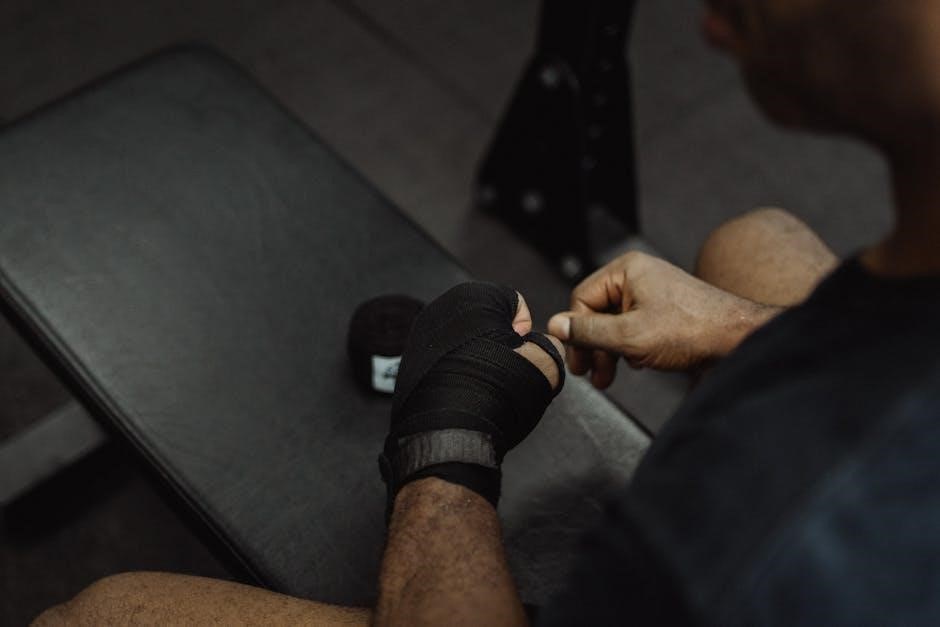
Removing Aristotle athletic tape correctly minimizes skin irritation and discomfort. Begin by gently lifting a corner of the tape, slowly peeling it back along the skin, parallel to its application direction. Avoid quick, forceful pulls, as these can cause pain and potentially damage the skin.
If the tape adheres strongly, consider using baby oil or a specialized adhesive remover to loosen the adhesive. Apply the oil or remover to the tape’s edges, allowing it to seep underneath before attempting removal. For areas with significant hair growth, removal may be more challenging and require extra patience.
Always remove the tape after activity or as directed by a healthcare professional. Proper removal ensures a comfortable experience and prepares the skin for subsequent care.
Skin Care After Tape Removal
Following Aristotle athletic tape removal, proper skin care is crucial to restore the skin’s natural barrier and prevent irritation. Gently cleanse the area with mild soap and lukewarm water to remove any residual adhesive. Avoid harsh scrubbing, which can exacerbate sensitivity.
After cleansing, pat the skin dry with a soft towel and apply a fragrance-free, hypoallergenic moisturizer to rehydrate the area. This helps soothe any redness or dryness caused by the tape. If any adhesive residue remains, avoid picking at it; instead, use a gentle oil-based cleanser;
Monitor the skin for any signs of allergic reaction or prolonged irritation. If concerns arise, consult a healthcare professional.
When to Seek Professional Help
While Aristotle athletic tape is effective for support, it’s not a substitute for professional medical advice. Seek help if pain intensifies or doesn’t improve after several days of taping and rest. Don’t self-treat serious injuries; a healthcare provider can accurately diagnose the issue.
Consult a doctor or physical therapist if you experience numbness, tingling, or changes in skin color after tape application or removal. These could indicate nerve compression or circulation issues;
If skin irritation becomes severe, develops into a rash, or shows signs of infection, discontinue use and seek medical attention promptly. Professional guidance ensures proper injury management.
Aristotle Tape vs. Other Brands
Aristotle Tape distinguishes itself through superior adhesive quality and a balance of robust support alongside essential flexibility, catering to diverse athletic needs effectively.
Comparing Adhesive Quality
When evaluating Aristotle Tape against competitors, the adhesive quality stands out as a key differentiator. Many athletic tapes suffer from either insufficient stickiness, leading to frequent re-application, or leave behind a troublesome, sticky residue upon removal. Aristotle Tape aims to strike a balance, providing a strong, reliable hold during activity – crucial for maintaining support and preventing slippage – while minimizing residue.
Users report that Aristotle Tape maintains its adhesion even during intense workouts and exposure to sweat, a common challenge for other brands. This superior adhesion contributes to a more secure and comfortable taping experience. The formulation is designed to bond effectively with skin and itself, ensuring the tape stays in place without compromising skin integrity. This reduces the need for constant adjustments and allows athletes to focus on their performance.
Evaluating Support and Flexibility
Aristotle Athletic Tape is engineered to deliver a crucial balance between robust support and natural flexibility. Unlike rigid tapes that can restrict movement, Aristotle Tape’s material allows for a full range of motion while still providing substantial stabilization to joints and muscles. This is vital for preventing injuries during athletic activity and aiding recovery post-injury.
The tape’s elasticity conforms to the body’s contours, offering targeted compression and support without hindering performance. Athletes appreciate this feature, as it enables them to maintain agility and power. The tape’s ability to stretch and recoil also contributes to its comfort, preventing chafing and irritation during prolonged use. It’s designed to work with the body, not against it.
Customer Service and Support
Aristotle Tape prioritizes customer satisfaction, offering prompt and professional support to address any concerns or questions. They are committed to resolving issues efficiently through continuous service refinement, striving to exceed customer expectations. This dedication extends beyond simply selling a product; it’s about building a relationship based on trust and reliability.
Customers can expect responsive assistance regarding application techniques, product selection, or troubleshooting any challenges encountered. Aristotle aims to empower users with the knowledge and resources needed to maximize the benefits of their athletic tape. Their support team is readily available to provide guidance and ensure a positive experience.